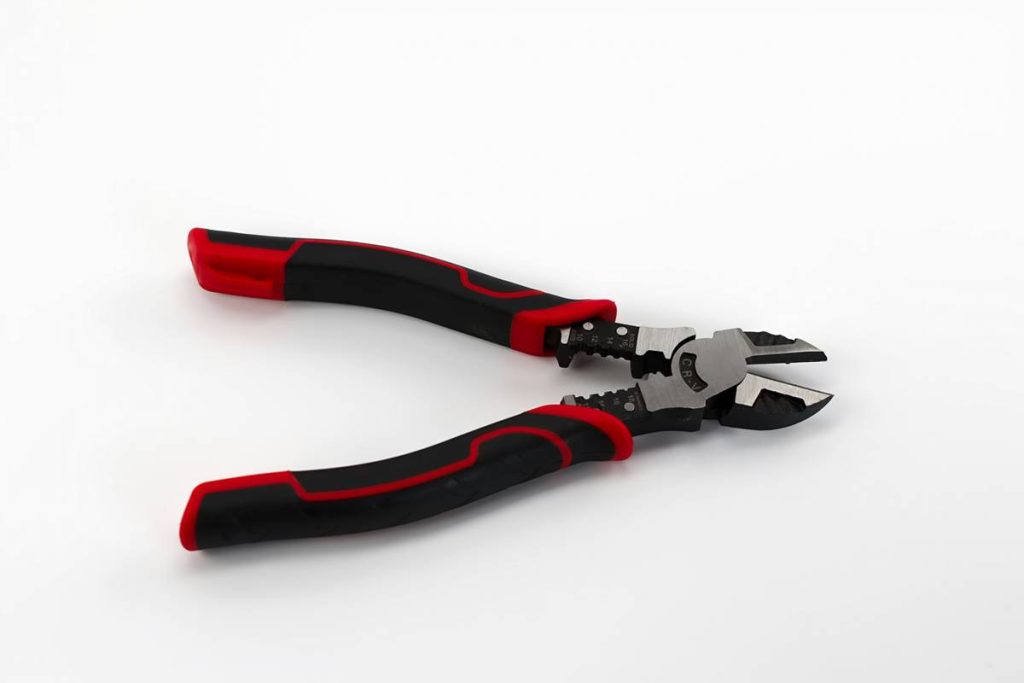
If you’ve ever struggled with frayed electrical wires, snapped a cheap cutter mid-job, or nicked your finger trying to strip insulation with the wrong tool—you’re not alone. As someone who once fried a circuit breaker because I used pliers instead of a proper wire cutter hand tool, I’ve learned the hard way that this humble device is anything but optional in home improvement. In this guide, we’ll explore why choosing and using the right wire cutter matters, how to avoid rookie errors, and which models actually deliver on durability.
Table of Contents
- Why Wire Cutters Matter in Home Improvement
- Step-by-Step Guide to Using a Wire Cutter Safely & Effectively
- Top Best Practices for Long-Lasting Performance
- Real-World Examples: When the Right Tool Saved the Day
- Frequently Asked Questions
Key Takeaways
- Not all cutters handle all wire types—using the wrong one risks damage or injury.
- Insulated handles rated for voltage (e.g., VDE 1000V) are non-negotiable for electrical work.
- Regular cleaning and oiling extend lifespan dramatically.
- A quality wire cutter hand tool pays for itself by preventing project delays and safety hazards.
Why Wire Cutters Matter in Home Improvement
In the realm of hand tools, wire cutters are deceptively simple—until they fail. Whether you’re installing smart lighting, repairing an appliance, or upgrading outdoor fixtures, clean, precise cuts prevent short circuits, poor connections, and even fire hazards. According to the U.S. Fire Administration, faulty wiring contributes to nearly 24,000 home fires annually. Much of that stems from improper handling of conductors.
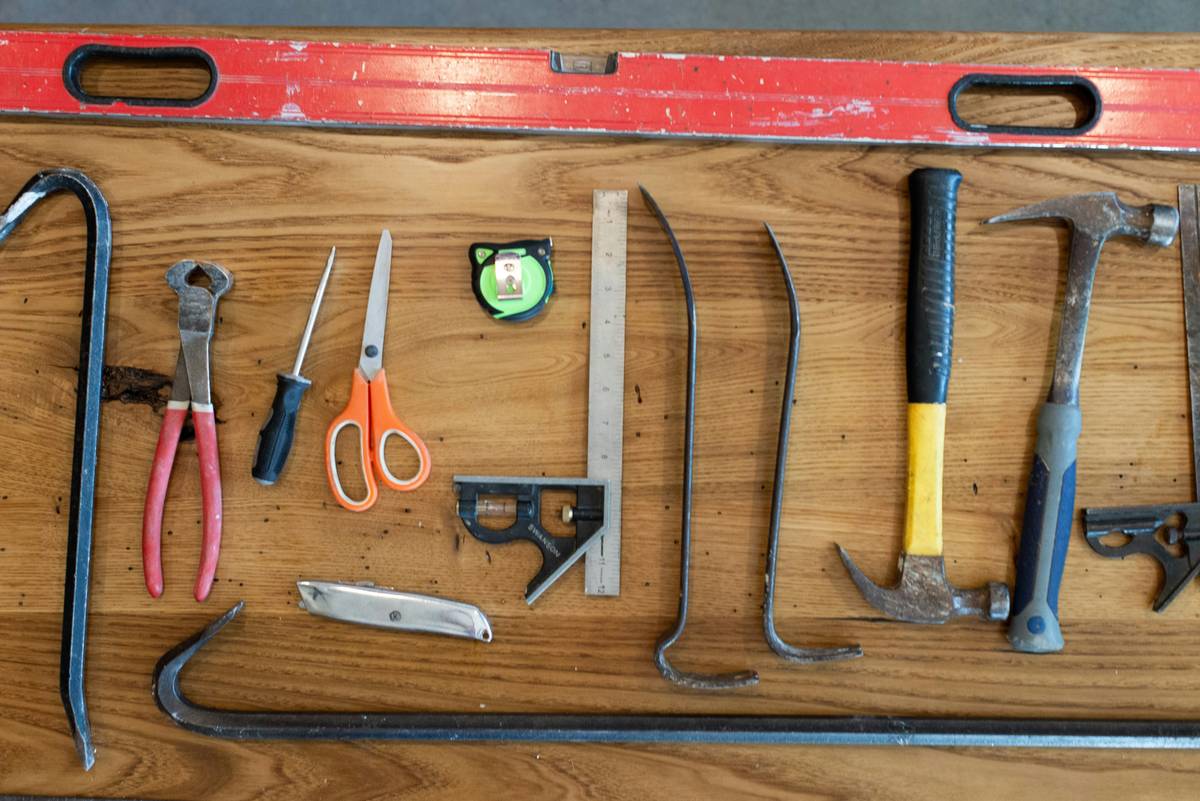
I once tried to “make do” with needle-nose pliers to trim speaker wire for a basement theater setup. The result? Jagged ends that wouldn’t fit terminals, hours of rework, and a burnt-out amplifier channel. Don’t be like me. The right wire cutter hand tool isn’t luxury—it’s baseline safety gear.
Step-by-Step Guide to Using a Wire Cutter Safely & Effectively
1. Identify Your Wire Type
Copper? Aluminum? Stranded or solid core? Hardened steel cutters work for copper but can shatter on piano wire or hardened fencing wire. Check manufacturer specs first.
2. Verify Insulation Rating
For any live-circuit work (even low-voltage), use cutters with VDE-certified insulated handles. Look for markings like “1000V” — a standard recognized by OSHA and the International Electrotechnical Commission.
3. Position & Cut
Place the wire deep into the jaws—not near the tip—to leverage full mechanical advantage. Apply firm, smooth pressure; never hammer or twist.
4. Clean After Use
Wipe blades with a dry cloth, then apply a drop of light machine oil to pivot points. This prevents corrosion, especially in humid environments.
Top Best Practices for Long-Lasting Performance
- Never cut hardened wire with standard cutters. You’ll chip the blades permanently.
- Store vertically or in a dedicated pouch—loose tools in drawers get damaged quickly.
- Replace if you notice burrs on cut edges or if jaws don’t close flush.
- Use flush-cut models for electronics to avoid protruding nubs that can short circuits.
And here’s a terrible tip I’ve heard too often: “Just sharpen dull cutters with a file.” Wrong! Most modern cutters have precision-ground, heat-treated blades. DIY sharpening ruins the metallurgy. Replace them instead.
Real-World Examples: When the Right Tool Saved the Day
Last winter, a homeowner in Ohio attempted to replace a garage door sensor wire using kitchen scissors. The crushed conductors caused intermittent failure, leading to repeated door malfunctions. A local electrician diagnosed the issue in minutes and fixed it with a $22 lineman’s plier-style wire cutter hand tool—saving the homeowner over $200 in unnecessary opener replacements.
Professionals rely on brands like Klein Tools or Knipex because their cutters meet ANSI/ISEA standards for hand tool safety. In fact, a 2023 industry survey by the National Association of Home Builders found that 89% of contractors cite tool quality as a top factor in job efficiency and client satisfaction.
Frequently Asked Questions
What’s the difference between wire cutters and wire strippers?
Cutters sever wire; strippers remove insulation without cutting the conductor. Some combo tools do both, but dedicated tools perform better.
Can I use a wire cutter hand tool on live wires?
Only if it’s specifically rated for live voltage (look for VDE or ASTM F1506 certification). Otherwise, always de-energize first.
How often should I replace my wire cutters?
With proper care, quality models last 5–10 years. Replace immediately if blades chip, bend, or fail to cut cleanly.
Are cheap wire cutters from hardware stores worth it?
For occasional DIY tasks, yes—but avoid them for frequent or electrical work. Invest in reputable brands for safety-critical jobs.
Do I need different cutters for different wire gauges?
Most general-purpose cutters handle 10–18 AWG well. For thicker cables (6 AWG+), use heavy-duty cable cutters.
Making home improvements shouldn’t mean gambling with safety or precision. A reliable wire cutter hand tool is your silent partner in every electrical or assembly task—quiet, unassuming, but utterly essential. If you’re unsure which model fits your next project, our team at ReviveJob has decades of field experience and loves geeking out over hand tools. Got questions? Reach out—we’re happy to help. And remember, your privacy matters to us; learn more in our Privacy Policy.
Final thought: *Snip with care, connect with confidence—because every clean cut powers progress.*