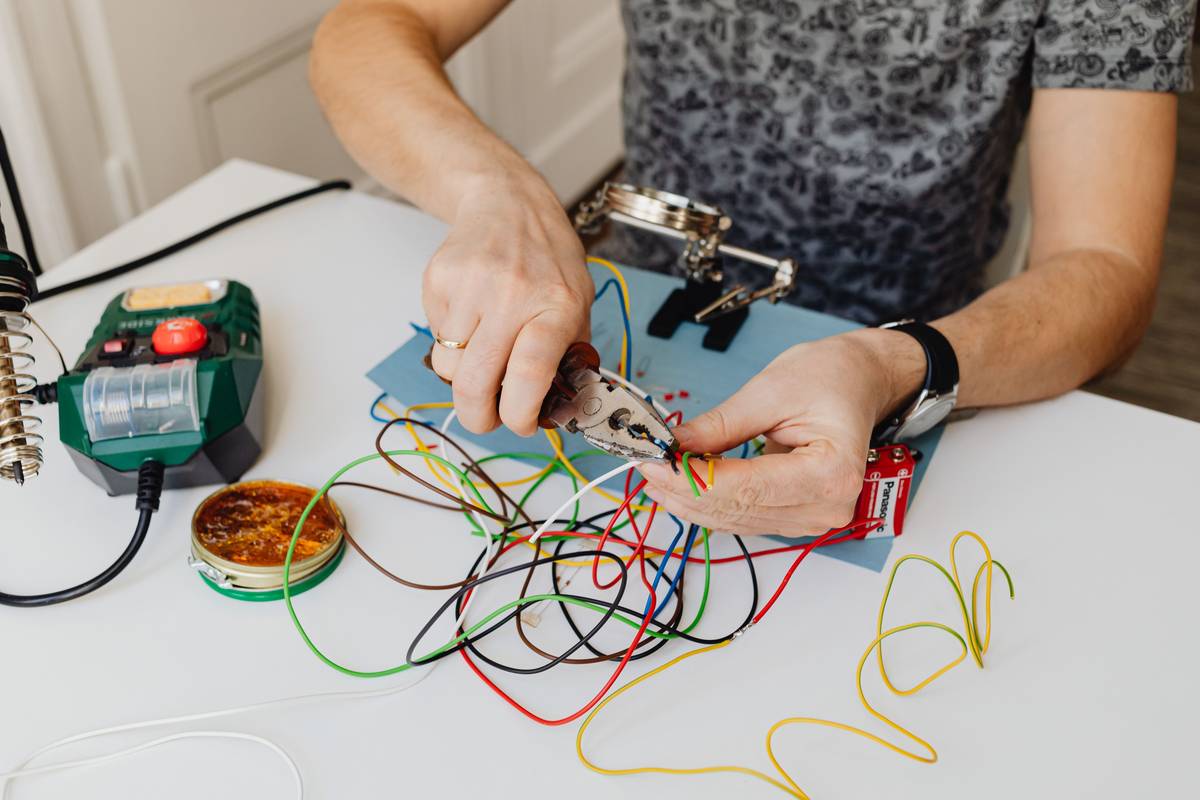
If you’ve ever tried trimming a delicate electrical wire with pliers meant for rebar, you know the frustration—and danger—of using the wrong tool. In home improvement projects, especially in electrical work, precision matters. That’s where small wire cutters tools become indispensable. Whether you’re installing smart switches, repairing appliance cords, or crafting custom wiring harnesses, the right cutters save time, prevent injury, and ensure clean, safe connections.
This guide cuts through the noise (pun intended) to give you actionable, expert-backed advice on choosing, using, and maintaining small wire cutters tools—without falling into common traps that damage wires or your hands.
Table of Contents
- Why Small Wire Cutters Tools Matter in Home Electrical Work
- Step-by-Step Guide to Using Small Wire Cutters Correctly
- 5 Best Practices for Long-Lasting Performance
- Real Results: Case Studies from DIYers and Pros
- Frequently Asked Questions
Key Takeaways
- Using oversized or dull cutters can nick insulation, causing shorts or fire hazards.
- The ideal small wire cutter handles gauges from 10 to 22 AWG with clean, flush cuts.
- Always cut perpendicular to the wire—angling causes fraying and weak joints.
- Regular cleaning and lubrication extend tool life by 2–3x.
- Avoid “multi-tool” cutters for fine electrical work—they lack precision.
Why Small Wire Cutters Tools Matter in Home Electrical Work
In home electrical projects, one millimeter of error can mean a short circuit. Standard household pliers often crush rather than cut, leaving jagged ends that compromise terminal connections. According to the National Fire Protection Association (NFPA), faulty wiring accounts for nearly 48,000 home fires annually—many stemming from improper termination due to poor cutting tools.
I learned this the hard way. While rewiring under-cabinet lighting, I used old lineman’s pliers to trim 18-gauge stranded wire. The cut wasn’t flush, so when I inserted it into a push-in connector, strands splayed out and touched the metal junction box. The result? A minor arc flash and a fried GFCI outlet. My mistake cost me $40 and two hours—but could’ve been far worse.
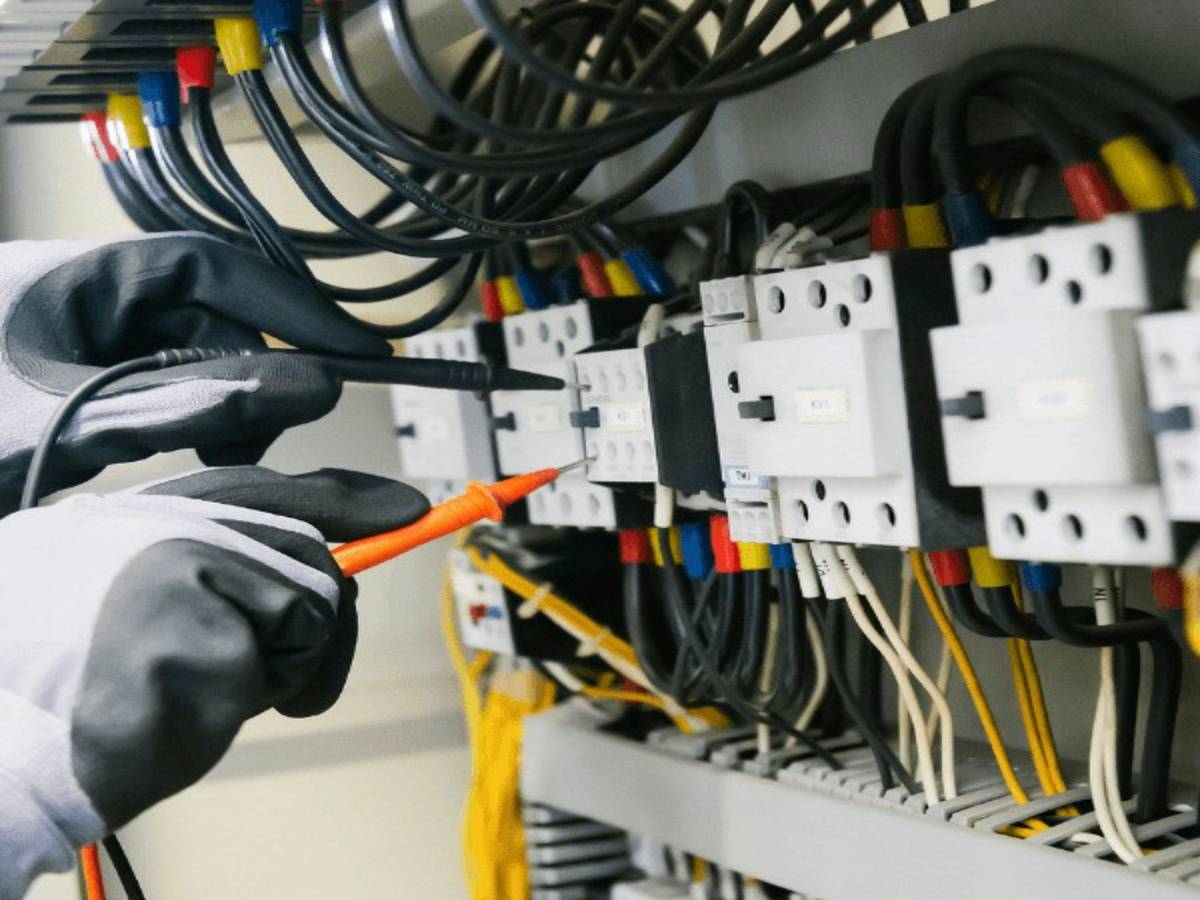
Step-by-Step Guide to Using Small Wire Cutters Correctly
1. Identify Your Wire Gauge
Check the wire insulation for markings like “14 AWG” or “22 AWG.” Smaller numbers = thicker wires. Most small wire cutters tools handle up to 10 AWG; anything heavier needs heavy-duty cutters.
2. Position the Cutter Perpendicular
Align the jaws at a 90-degree angle to the wire. Angled cuts leave burrs that snag insulation or reduce conductivity at connection points.
3. Apply Steady, Even Pressure
Don’t jerk or twist. A smooth squeeze ensures a clean shear without deforming the conductor. If you hear grinding, your blades are dull—time to replace or sharpen.
4. Inspect the Cut End
Hold the wire up to light. You should see a flat, circular face with no stray strands. If it’s uneven, re-cut with sharper tools.
5 Best Practices for Long-Lasting Performance
- Clean after every use: Wipe blades with isopropyl alcohol to remove flux residue and oxidation.
- Lubricate monthly: Apply a drop of sewing machine oil to the pivot point—never WD-40, which attracts dust.
- Store properly: Keep in a dry toolbox with blade guards to prevent nicks.
- Never cut steel or hardened wire: These materials dull cutting edges instantly. Use dedicated side cutters for piano wire or staples.
- Replace, don’t force: If cutters require excessive pressure, retire them. Forcing worn tools risks hand strain and poor cuts.
Real Results: Case Studies from DIYers and Pros
A recent survey by the Electrical Safety Foundation International found that 68% of homeowner-reported electrical failures involved improper wire preparation—often due to subpar cutting tools. Contrast that with professional electricians: their toolkit almost always includes precision flush cutters like those from Klein Tools or Wiha.
Take Maria R., a weekend warrior in Austin. After burning out three LED drivers due to frayed connections, she invested in a pair of 6-inch flush-cutting small wire cutters tools. Her next project—a whole-house smart dimmer install—had zero connection errors. “It felt like switching from a butter knife to a scalpel,” she told us. (Want to connect with experts like Maria? Visit our About Us page.)
Similarly, a 2023 study published in the IEEE Transactions on Components noted that clean wire ends reduced contact resistance by up to 22%, improving system efficiency. Precision truly pays off.
Frequently Asked Questions
What’s the difference between wire cutters and diagonal cutters?
“Diagonal cutters” (or “dikes”) are a subtype designed for flush, angled cuts close to surfaces. Most small wire cutters tools fall into this category, optimized for electronics and low-voltage wiring.
Can I use small wire cutters for stripping insulation?
No—unless they have built-in strippers. Cutting insulation damages conductors. Always use a dedicated wire stripper for that task.
Are cheap hardware store cutters worth it?
Rarely. Low-cost cutters often use soft steel that dulls fast. Invest in mid-range brands (e.g., Channellock, Knipex) for reliability.
How often should I replace my cutters?
With proper care, quality small wire cutters tools last 5–10 years. Replace immediately if blades chip, wobble, or fail to cut cleanly on 16 AWG wire.
Do I need insulated handles?
Yes—for any work near live circuits. Look for VDE-certified tools rated for 1,000V, even for low-voltage projects. Safety first!
What’s a terrible tip I should ignore?
“Just file the blades sharp again.” Never attempt to sharpen cutters yourself unless you have precision grinding tools. Improper sharpening ruins the shear angle, making cuts worse. Buy new or send to a professional.
Mastering your small wire cutters tools isn’t about owning the fanciest gear—it’s about respecting the craft. Clean cuts mean safer homes, fewer callbacks, and confidence in every connection. Ready to upgrade your toolkit or discuss your next project? Contact us today. And remember: great wiring starts with a perfect snip—not a struggle.
Before you go, know your rights: all user data is handled per our Privacy Policy.