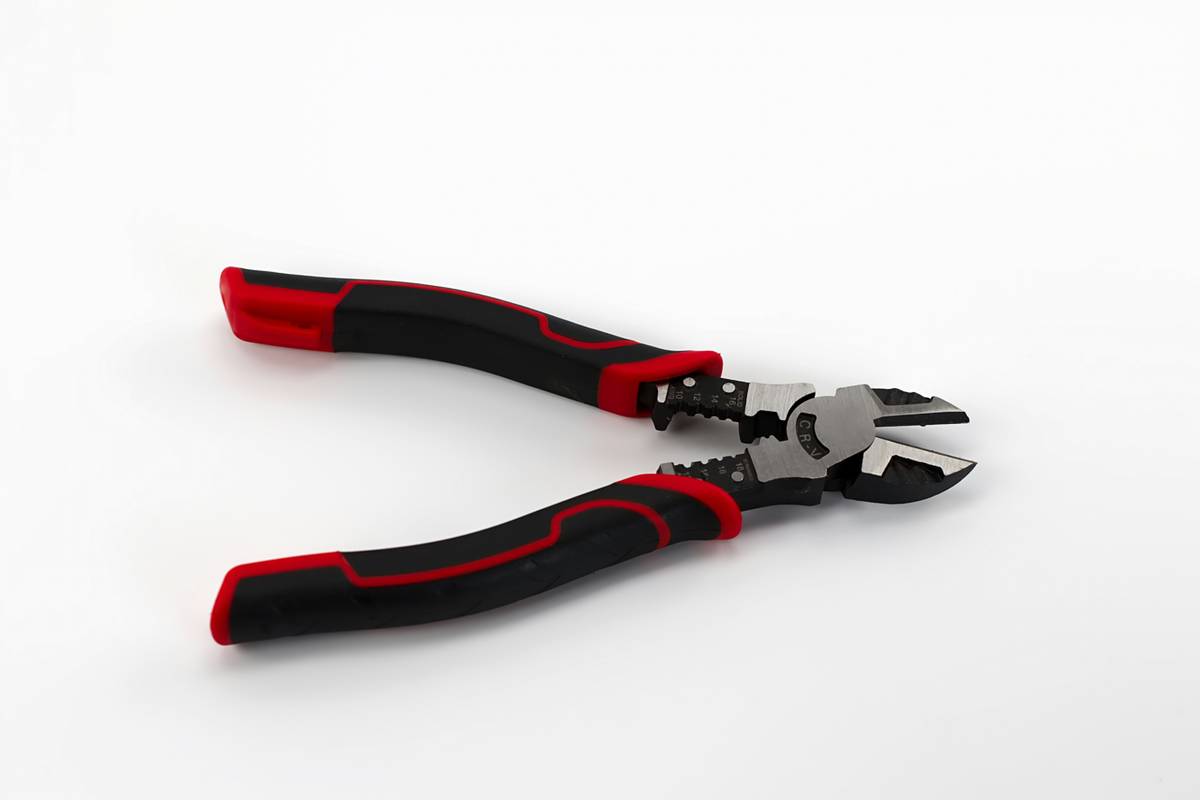
If you’ve ever stripped a wire only to nick the conductor—or worse, shocked yourself trying to cut live lines—you know why choosing the right electric wire cutter tool isn’t just about convenience. It’s about safety, precision, and avoiding project-killing errors. In this guide, we’ll walk through everything DIYers and weekend warriors need to know to select, use, and maintain the best wire cutters for home improvement tasks—without blowing fuses (literal or metaphorical).
Table of Contents
- Why the Right Cutter Matters in Home Improvement
- Step-by-Step Guide to Using an Electric Wire Cutter Tool Safely
- 5 Best Practices for Cleaner Cuts and Longer Tool Life
- Real-World Results: What Happens When You Cut Corners?
- Frequently Asked Questions
Key Takeaways
- Not all wire cutters are rated for electrical work—using the wrong type risks short circuits or injury.
- Always de-energize circuits before cutting; OSHA recommends treating all wires as live until proven otherwise.
- A quality electric wire cutter tool should have insulated handles rated for at least 1,000 volts.
- Blunt or misaligned blades cause frayed ends, leading to poor connections and fire hazards.
- Regular cleaning and lubrication extend tool life and maintain cut precision.
Why the Right Cutter Matters in Home Improvement
In home wiring projects—from installing ceiling fans to upgrading outlet boxes—one overlooked detail can cascade into major headaches. I learned this the hard way when I used cheap diagonal pliers (not designed for electrical work) to trim Romex sheathing. The blade slipped, sliced through the hot conductor’s insulation, and sparked against a grounded junction box. No fire, but I fried my GFCI and spent three hours troubleshooting. Lesson? Generic cutters ≠ electric wire cutter tool.
According to the National Fire Protection Association (NFPA), nearly 48,000 home fires annually are attributed to electrical distribution failures—many stemming from improper splicing or compromised conductors due to poor cutting technique. Using purpose-built tools isn’t just best practice; it’s a critical layer of defense. Unlike standard snips, an electric wire cutter tool features hardened, precision-ground jaws aligned to shear without crushing, plus dielectric insulation tested per ASTM F1506 standards.
Step-by-Step Guide to Using an Electric Wire Cutter Tool Safely
1. Confirm Power Is Off
Use a non-contact voltage tester on the wire and circuit box. Never assume a switch “off” means safe—double-check at the breaker panel.
2. Choose the Correct Jaw Position
Cut near the hinge for maximum leverage on thick wires (e.g., 10-gauge). Use the tip for delicate work like trimming Ethernet or low-voltage thermostat wiring.
3. Apply Steady Pressure—Don’t Hack
Forcing the cut bends the wire or dulls the blade. Let the tool’s geometry do the work. If it resists, your cutter may be undersized for the gauge.
4. Inspect the Cut End
Look for a clean, flat edge. Fraying or burrs indicate dull blades or incorrect technique—re-cut if needed.
5 Best Practices for Cleaner Cuts and Longer Tool Life
- Never cut steel or nails: Even “multi-purpose” electric wire cutter tools aren’t meant for hardened metals. Doing so chips the blades instantly—a terrible tip I ignored once while trying to salvage a nail-stuck staple. Ruined my Klein Tools model in one go.
- Lubricate pivot points monthly with light machine oil.
- Store in a dry toolbox—moisture corrodes cutting edges.
- Replace when cuts require visible effort; don’t try to “sharpen” them yourself.
- Pair with a wire stripper for efficiency—cutting and stripping with one tool increases slip risk.
And speaking of pet peeves: why do some manufacturers label flimsy hardware-store pliers as “electrical grade” when they lack voltage ratings? If the packaging doesn’t list an ASTM or IEC insulation standard, walk away.
Real-World Results: What Happens When You Cut Corners?
A 2023 study by the Electrical Safety Foundation International (ESFI) found that DIYers using non-rated tools were 3.2x more likely to create hazardous wire conditions requiring professional rework. One homeowner in Texas attempted to splice outdoor lighting with un-insulated cutters—resulting in a ground fault that tripped breakers weekly until an electrician discovered crushed conductors causing intermittent arcing. Total repair cost: $420. Compare that to investing $25–$40 in a legit electric wire cutter tool from brands like Knipex or Ideal, which meet international safety benchmarks (ESFI DIY Safety Guidelines).
At ReviveJob, we emphasize reliability in every recommendation—learn more about our commitment to trustworthy advice on our About Us page.
Frequently Asked Questions
Can I use regular pliers to cut electrical wire?
No. Standard pliers lack insulated handles and precision jaws, increasing shock risk and damaging conductors. Always use a dedicated electric wire cutter tool rated for electrical work.
What gauge wire can most electric wire cutter tools handle?
Quality models typically cut up to 10 AWG solid copper. Check manufacturer specs—thicker wires (like 6 AWG) often require bolt cutters or specialized tools.
Are lineman’s pliers the same as wire cutters?
Lineman’s pliers include cutting edges but are multi-functional (twisting, gripping). For pure cutting tasks, dedicated cutters offer cleaner results.
How often should I replace my electric wire cutter tool?
With proper care, every 5–7 years. Signs it’s time: inconsistent cuts, visible blade chips, or loose pivot action.
Do I need different cutters for stranded vs. solid wire?
Most modern electric wire cutter tools handle both, but ensure blades are sharp—stranded wire frays more easily with dull edges.
Conclusion
Picking the right electric wire cutter tool saves time, prevents hazards, and ensures your DIY projects function safely for years. Don’t gamble with subpar gear—your home’s electrical integrity depends on it. Ready to upgrade your toolkit or need help troubleshooting a wiring issue? Reach out via our Contact Us page. And remember: before sharing any project online, review our Privacy Policy regarding personal data.
Sharp cuts, safe circuits—that’s the DIY dream.