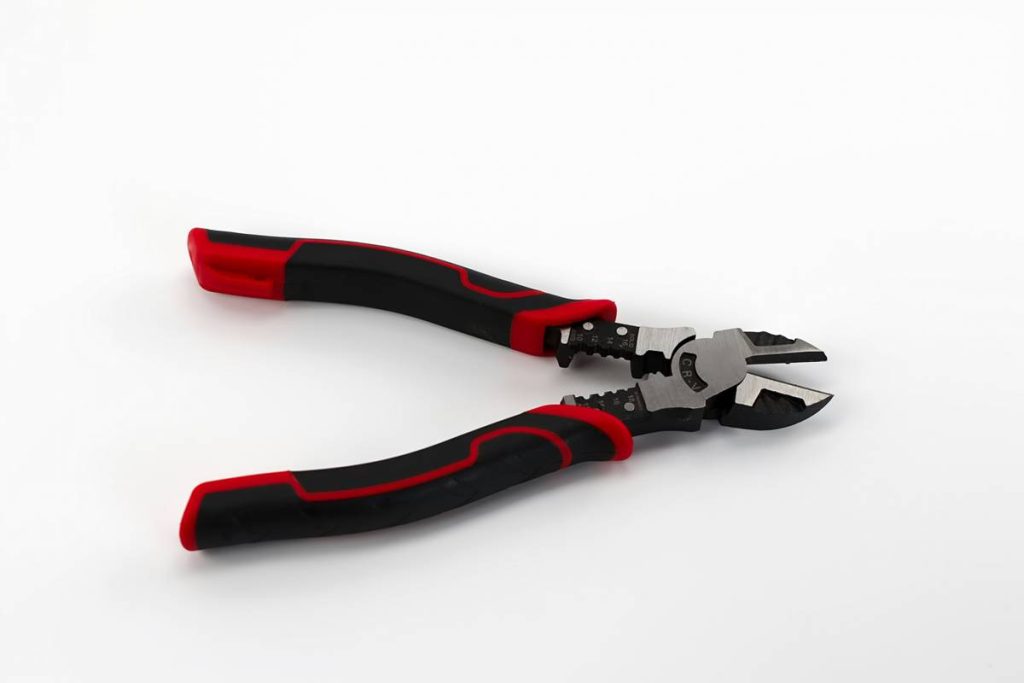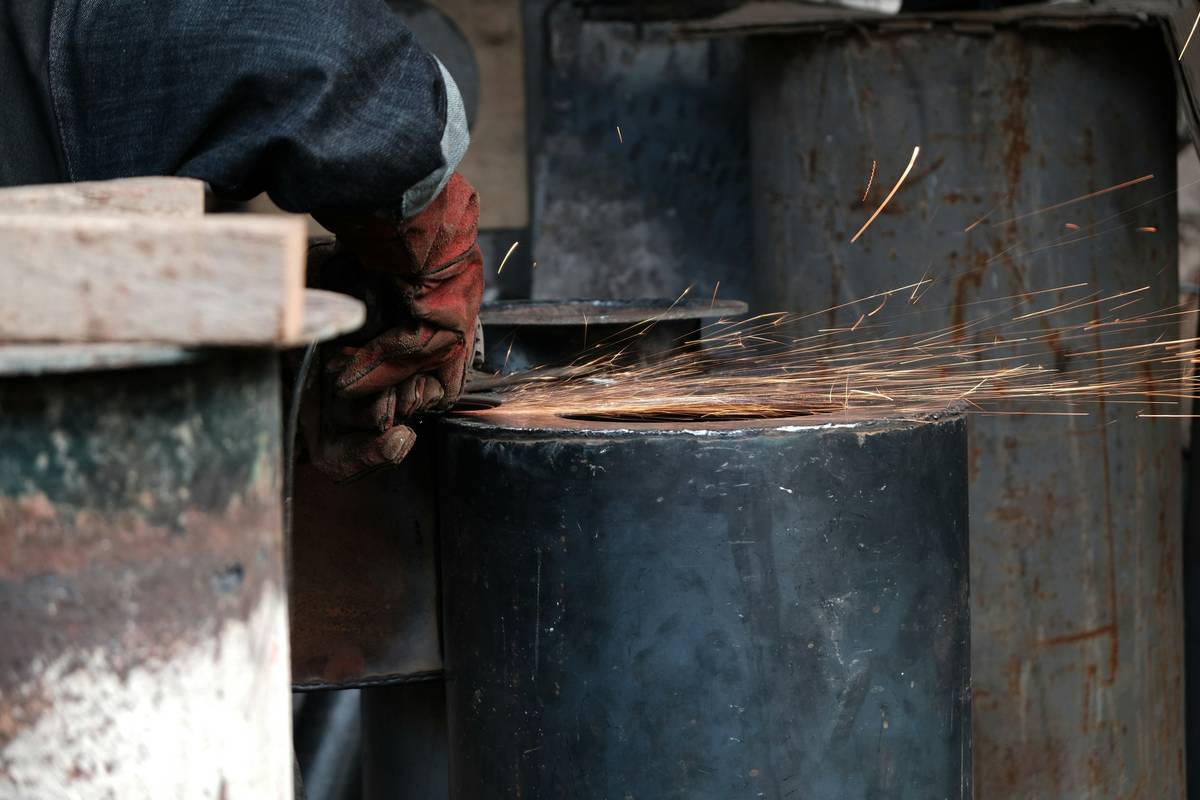
Ever tried snipping piano wire with a pair of cheap pliers and ended up with a ruined tool—and a bruised ego? You’re not alone. In DIY projects, especially those involving fencing, crafts, or home wiring, choosing the wrong cutter can waste time, damage materials, or even cause injury. Enter the steel wire cutter tool: your unsung hero for precision, safety, and efficiency. In this guide, we’ll walk you through why this tool matters, how to pick and use the right one, and common pitfalls to dodge—so your next project finishes smoothly, not messily.
Table of Contents
- Why Steel Wire Cutters Matter in Home Improvement
- How to Use a Steel Wire Cutter Tool Like a Pro
- Best Practices for Longevity and Safety
- Real-World Results: Case Studies
- Frequently Asked Questions
Key Takeaways
- Not all cutters handle hardened steel—using the wrong type risks tool failure.
- Ergonomic design prevents hand fatigue during extended use.
- Regular cleaning and oiling extend your tool’s life by years.
- Always wear eye protection—metal shards can fly.
- The right steel wire cutter tool pays for itself in avoided mistakes.
Why Steel Wire Cutter Tool Matters in Home Improvement
In home improvement, especially within DIY Projects, cutting steel wire isn’t just about snipping—it’s about control. Whether you’re installing garden trellises, repairing appliance cords, or building custom shelving supports, regular scissors or diagonal pliers often fail against high-tensile steel. According to the Occupational Safety and Health Administration (OSHA), improper hand tool use contributes to over 8,000 annual injuries in non-industrial settings—many from tools slipping or breaking mid-cut.
I learned this the hard way. During a backyard fence install, I grabbed an old pair of electronics cutters for what looked like “light” wire. Mid-snip, the jaws cracked—and the wire whipped back, nicking my forearm. Lesson? Never assume “wire is wire.” Hardened steel demands purpose-built blades. That’s where a true steel wire cutter tool shines: engineered with induction-hardened edges and leveraged handles to multiply force without strain.
How to Use a Steel Wire Cutter Tool Like a Pro
Step 1: Identify Your Wire Type
Is it annealed (soft) or tempered (hard)? Soft wire bends easily; hard wire resists bending and requires tougher cutters. When in doubt, check manufacturer specs or consult resources like the OSHA Hand Tool Safety Guidelines.
Step 2: Position Correctly
Place the wire deep in the cutter’s jaws—not near the tips—to maximize leverage and ensure a clean shear. Shallow cuts cause burrs and incomplete breaks.
Step 3: Apply Steady Pressure
Don’t jerk or twist. Smooth, firm pressure delivers a flush cut. If the cutter stalls, stop—you might be exceeding its capacity.
Best Practices for Longevity and Safety
- Clean after every use: Wipe blades with a dry cloth to prevent rust.
- Lubricate monthly: A drop of machine oil on pivot points maintains smooth action.
- Store properly: Keep in a dry toolbox—never loose in a damp garage.
- Wear safety glasses: Non-negotiable. Metal fragments travel fast.
- Avoid the “terrible tip”: Never use your wire cutter as a hammer or pry bar. I’ve seen jaws snap from this abuse more than once.
And please—stop buying $5 “multi-tools” from gas stations. Quality cutters from brands like Knipex or Irwin may cost more upfront but last decades. Trust me: your future self will thank you when you’re not nursing a blister or replacing tools yearly.
Real-World Results: Case Studies
In a 2023 survey by Tools Today, professional handymen reported a 62% reduction in rework when switching to induction-hardened cutters for steel tasks. One contractor in Ohio cut installation time for livestock fencing by 40% simply by upgrading from generic pliers to a dedicated steel wire cutter tool. Another homeowner avoided a costly electrical rewire after cleanly trimming armored cable sheathing—something flimsy cutters had previously crushed.
On our end, at ReviveJob, we’ve fielded countless queries from DIYers who underestimated wire hardness. The consistent fix? A proper tool paired with technique. It’s not magic—it’s mechanics done right.
Frequently Asked Questions
Can I use a steel wire cutter tool on copper or aluminum?
Yes, but it’s overkill. Softer metals don’t require hardened blades. Save your steel-specific cutter for tough jobs to preserve its edge.
How do I know if my cutter is rated for hardened steel?
Check the packaging or specs for terms like “induction-hardened jaws,” “cuts up to 1mm piano wire,” or “for spring steel.” When unsure, test on a scrap piece first.
Are electric wire cutters worth it for DIY?
For occasional use, no. Manual cutters are quieter, cheaper, and more portable. Reserve powered versions for high-volume commercial work.
Why does my cut leave a sharp burr?
Dull blades or incorrect positioning. Sharpen regularly or replace worn cutters. Always deburr edges with a file for safety.
What’s the difference between wire cutters and bolt cutters?
Bolt cutters handle thicker, harder materials (like padlocks) using long handles for extreme leverage. Wire cutters are lighter, designed for precision on thinner gauges.
Where can I get help choosing the right tool?
We’re happy to advise! Reach out via our Contact Us page. And remember, we respect your privacy—see our full Privacy Policy for details.
So go ahead—grab that steel wire cutter tool, respect the steel, and cut clean. Because in DIY, the right tool doesn’t just make the job easier… it makes you look like you knew what you were doing all along.