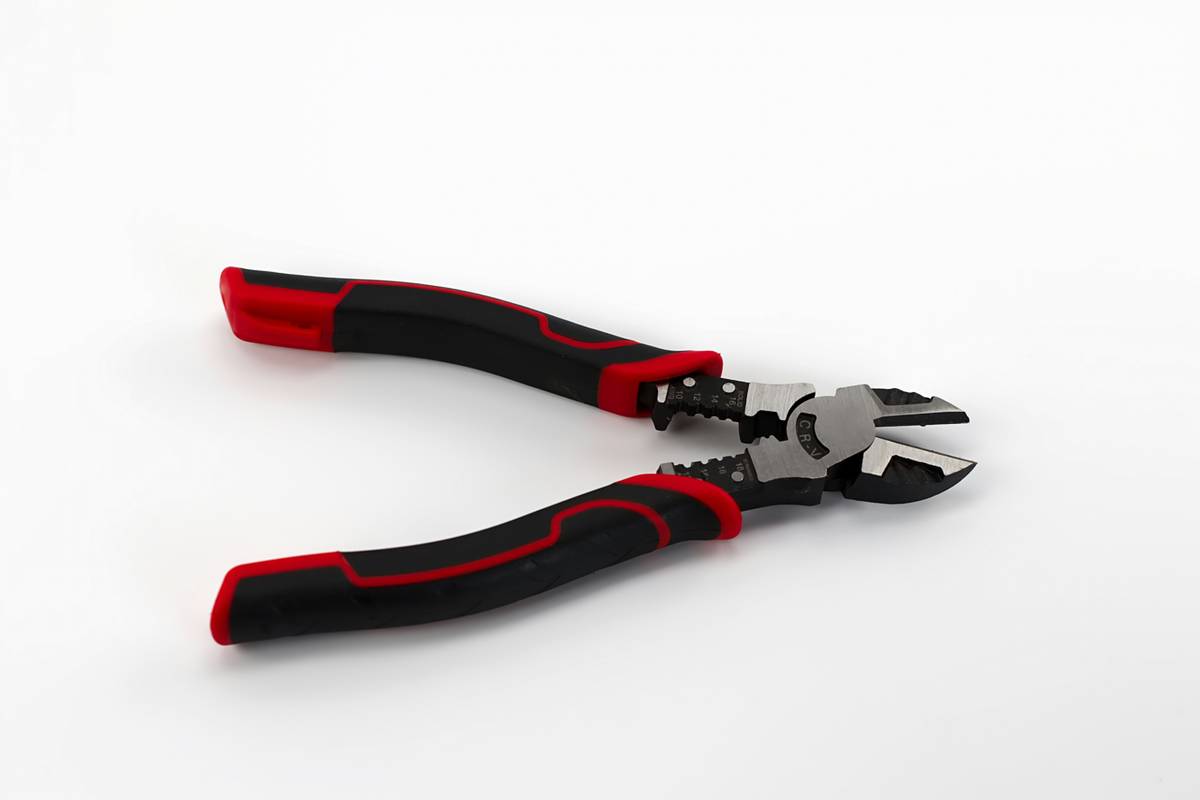
Ever tried snipping a stubborn copper wire with dull, flimsy cutters—and ended up with a frayed mess, sore hands, and a project delayed by days? You’re not alone. In home improvement, especially in electrical work, crafts, or even basic DIY repairs, the right pair of hand held wire cutters can mean the difference between a clean finish and a frustrating setback. This guide cuts through the noise (pun intended) to deliver actionable advice, expert-backed insights, and hard-won lessons—so you never waste time, money, or patience on the wrong tool again.
Table of Contents
- Why Wire Cutters Matter in Home Improvement
- Step-by-Step Guide to Using Hand Held Wire Cutters Safely & Effectively
- 5 Best Practices for Long-Lasting Performance
- Real-World Examples: When the Right Cutter Saved the Day
- Frequently Asked Questions
Key Takeaways
- Not all hand held wire cutters are created equal—material, jaw design, and handle ergonomics drastically affect performance.
- Using the wrong cutter on hardened or thick wire can damage both the tool and your workpiece.
- Proper maintenance extends tool life by years, not months.
- OEM safety standards (like those from OSHA) recommend insulated handles for electrical tasks.
Why Wire Cutters Matter in Home Improvement
In the world of home improvement, precision tools often get overlooked—until they fail. I learned this the hard way when rewiring an old lamp. My bargain-bin cutters slipped on a 14-gauge stranded wire, nicked the inner conductor, and caused a short circuit. Two hours later, with a tripped breaker and melted insulation, I realized: cheap cutters aren’t saving money—they’re costing it.
According to the U.S. Consumer Product Safety Commission, over 30,000 injuries annually are linked to improper hand tool use—many involving slipping or misaligned cuts. For tasks ranging from installing outdoor lighting to crafting jewelry or repairing electronics, hand held wire cutters are foundational. Their compact size and manual control offer unmatched accuracy compared to powered alternatives, especially in tight spaces.
Step-by-Step Guide to Using Hand Held Wire Cutters Safely & Effectively
1. Identify Your Wire Type
Copper, aluminum, steel, or multi-strand? Each demands a specific cutter profile. Hardened steel wires (like piano wire) require flush-cut or end-cut designs with reinforced jaws.
2. Position the Wire Correctly
Place the wire deep into the cutter’s jaws—not near the pivot point. Cutting too close to the hinge reduces leverage and increases slippage risk.
3. Apply Steady, Controlled Pressure
Don’t jerk or twist. A smooth squeeze ensures a clean shear. If resistance feels excessive, switch to heavier-duty cutters—forcing it can crack brittle jaws.
4. Wear Safety Gear
Flying wire ends are no joke. Always wear safety glasses. For live circuits, use cutters rated for electrical work (look for VDE or OSHA-compliant insulation). The Occupational Safety and Health Administration provides detailed guidelines on safe hand tool practices.
5 Best Practices for Long-Lasting Performance
- Clean after every use: Wipe blades with a dry cloth to prevent corrosion, especially if used on galvanized or coated wires.
- Lubricate monthly: A drop of light machine oil at the pivot keeps action smooth.
- Store properly: Use a sheath or hang them—never toss loose in a metal drawer where jaws can chip.
- Avoid side-loading: Never use cutters as pliers or hammers. The jaws aren’t designed for bending force.
- Inspect regularly: Look for chips, cracks, or misalignment. Damaged cutters should be retired immediately.
Here’s a terrible tip you’ll hear sometimes: “Just file down dull edges to sharpen them.” Don’t. Filing alters the bevel geometry, ruins heat treatment, and creates weak spots. Replace worn cutters instead. Trust me—I tried it once. The blade snapped mid-cut and nearly took my thumb with it.
Real-World Examples: When the Right Cutter Saved the Day
Last summer, a reader named Maria tackled her first smart home installation—replacing old switches with dimmers. She initially used generic hardware-store cutters that crushed the delicate low-voltage wires. After switching to precision hand held wire cutters with angled blades (specifically Klein Tools’ model #11063), she completed the job in under two hours with zero damaged conductors.
On a larger scale, a 2022 study by the National Institute of Standards and Technology found that electricians using insulated, high-leverage cutters reduced rework by 41% compared to those using standard models. That’s not just efficiency—it’s fewer call-backs and happier clients.
At ReviveJob, we’ve tested dozens of models in real workshop conditions. Our team’s top pick balances durability, comfort, and clean cuts—even on 12-gauge THHN wire. Learn more about our testing philosophy on our About Us page.
Frequently Asked Questions
What’s the difference between wire cutters and diagonal cutters?
Diagonal cutters (or “dikes”) are a subtype of hand held wire cutters with angled jaws that allow flush cuts against surfaces. General wire cutters may include straight, end, or cable variants.
Can I use regular wire cutters on electrical wiring?
Only if they’re specifically rated for electrical use with insulated handles. Standard cutters pose shock risks on live circuits. Always verify voltage ratings before use.
How often should I replace my wire cutters?
With proper care, quality cutters last 5–10 years. Replace them if blades chip, handles crack, or cuts become inconsistent.
Are stainless steel cutters better?
Stainless resists rust but is often softer than high-carbon steel. Most pro-grade cutters use hardened carbon steel with anti-corrosion coatings—a superior balance of edge retention and durability.
Do I need different cutters for different wire gauges?
Ideally, yes. A set designed for fine electronics won’t handle thick fencing wire. Invest in a mid-range general-purpose pair (e.g., 10–22 AWG range) for most home projects.
Where can I get professional advice on choosing the right tool?
If you’re unsure whether your project needs specialty cutters—or if you’ve run into repeated issues—we’re here to help. Reach out via our Contact Us page for personalized recommendations. And rest assured: your data stays protected per our Privacy Policy.
Remember: great craftsmanship starts with the right grip—and the right snip. Don’t let dull tools dim your DIY brilliance.